Chandelier
The Chandelier is the vast, ornate central light fixture of the Paris Opera House, an object so massive that its presence dominates the auditorium. In Gaston Leroux's The Phantom of the Opera, it is not merely a piece of decor but a loaded instrument of fate, whose sudden fall transforms a night of opera into a scene of catastrophe. The chandelier's descent, triggered by the ghost's voice, serves as the most dramatic demonstration of the Opera Ghost's power, killing an innocent woman and plunging the theater into chaos, thereby cementing the ghost's terrifying authority over the Opera and its managers.
The Chandelier's Role in the Opera House
The chandelier is described as an "immense mass" that hangs from the ceiling of the auditorium, a central feature of the grand theater. Its sheer size and weight make it a symbol of the Opera's grandeur, but also of its vulnerability. The narrative emphasizes its physical presence, noting that it is suspended by chains, which later become a point of official inquiry. The chandelier is not just a light source; it is a monument that the audience looks up to, and its potential for destruction is latent in its very construction. This duality—beauty and menace—sets the stage for its catastrophic role in the story.
The Night of the Fall
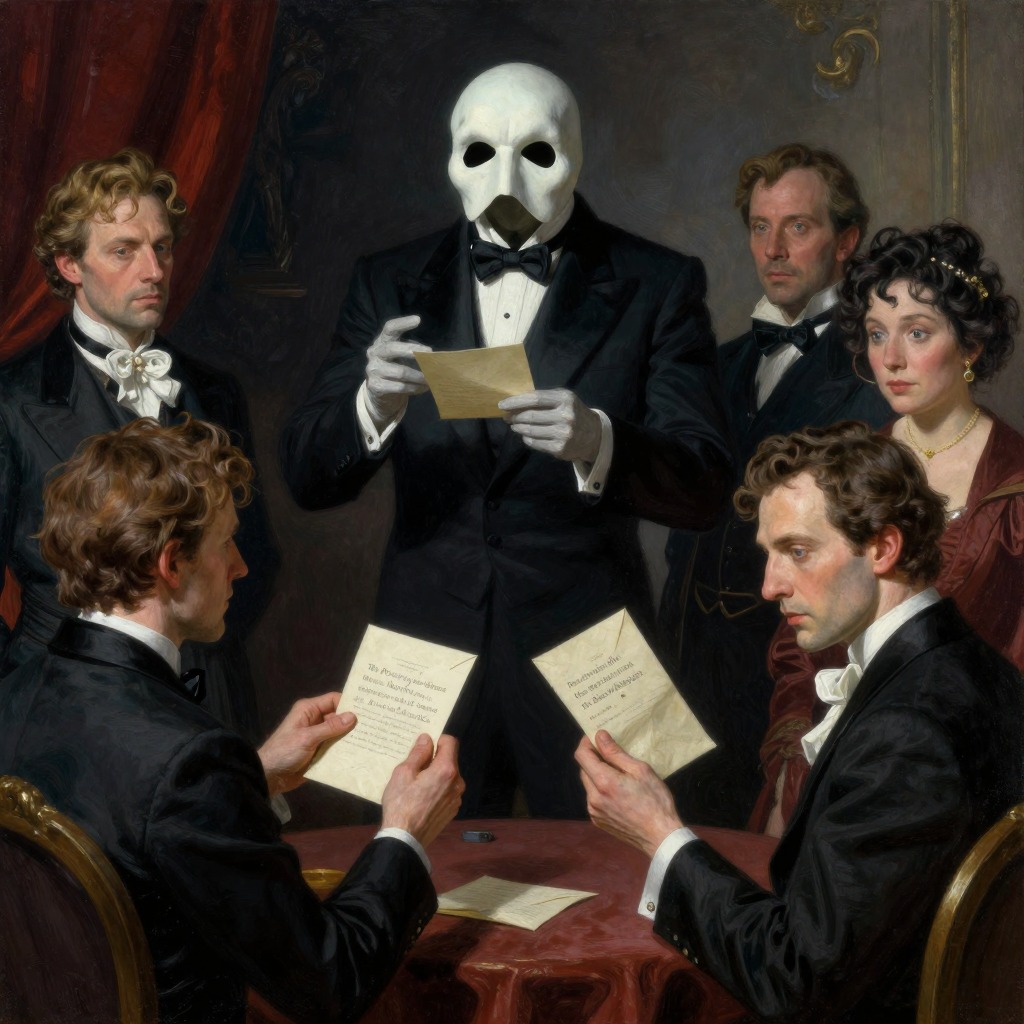
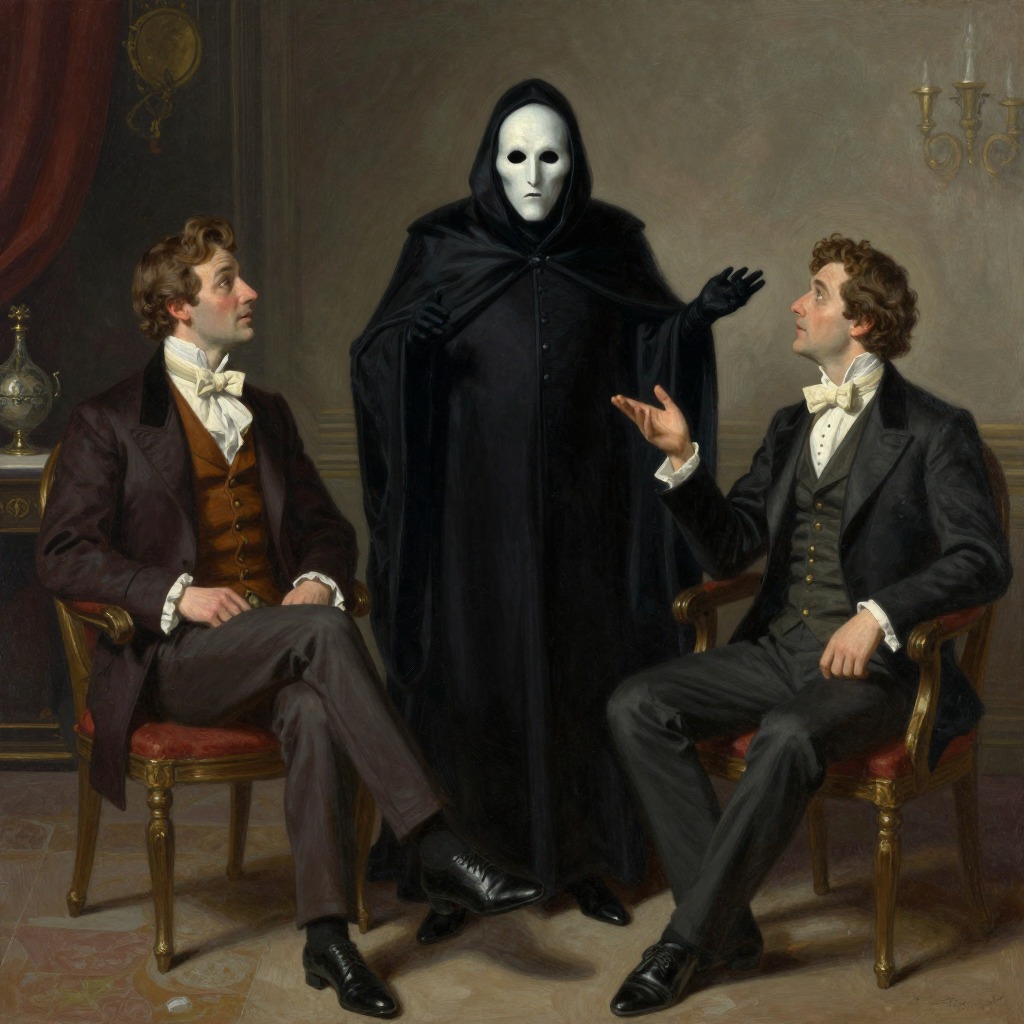
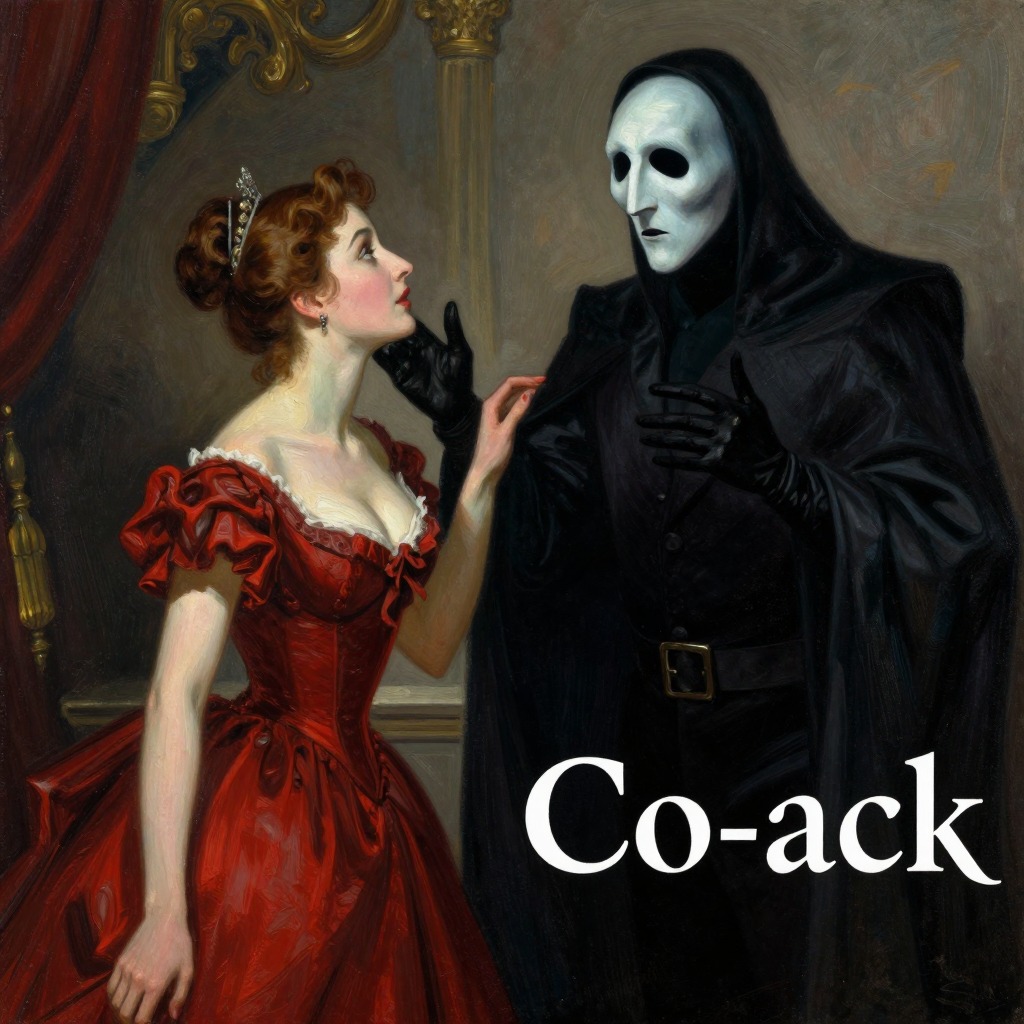
During a performance of Faust, the chandelier becomes the center of a terrifying event. The ghost, having already tormented the managers and the prima donna Carlotta with a mysterious "co-ack" that ruins her singing, delivers a chilling prophecy: "SHE IS SINGING TO-NIGHT TO BRING THE CHANDELIER DOWN!" This voice, heard by the managers in Box Five, is followed by the chandelier's release from its hook. It plunges from the ceiling, crashing into the middle of the stalls, amid a thousand shouts of terror. The fall is not an accident but a deliberate act, orchestrated by the ghost to punish those who have defied him. The timing is precise, occurring at the very moment when the ghost's voice has commanded it, making the event a supernatural spectacle that leaves the audience in shock.
The Aftermath and the Victim
The immediate consequence of the chandelier's fall is death and injury. The newspapers report "numbers wounded and one killed." The sole fatality is the concierge, a woman who had been appointed by M. Richard to replace Mme. Giry as the keeper of Box Five. She was attending the opera for the first time in her life, and the chandelier crashes down upon her head, killing her on the spot. The next morning, a newspaper headline reads "TWO HUNDRED KILOS ON THE HEAD OF A CONCIERGE," which becomes her only epitaph. This death is particularly ironic and cruel: the woman who took the place of the ghost's loyal box-keeper is the one who pays the ultimate price. The incident also implicates the managers, as the inquest concludes that the fall was caused by "wear and tear of the chains," a failure that both the old and new managers should have detected and remedied. This negligence adds to the burden of Richard and Moncharmin, who are already haunted by the ghost's machinations.
The Chandelier as a Symbol of the Ghost's Power
The chandelier's fall is more than a physical disaster; it is a symbolic act that establishes the Opera Ghost's dominance. The ghost's voice, which the managers hear in their box, is described as "the impossible voice, the mouthless voice," and it is this voice that seems to command the chandelier to fall. The event demonstrates that the ghost can manipulate the very architecture of the Opera, turning a symbol of beauty into an instrument of death. It also serves as a warning to the managers, who had dismissed the ghost's demands and sold his private box. The fall is a direct response to their defiance, and it forces them to recognize the reality of the ghost's power. The chandelier thus becomes a recurring motif, representing the ghost's ability to strike at any moment, and the fragility of the human world above the cellars where he dwells.
The Chandelier's Legacy
The chandelier's fall has lasting repercussions on the story. It contributes to the atmosphere of fear and superstition that pervades the Opera, and it is one of the key events that lead to the investigation by the commissary of police, M. Mifroid. The incident also marks a turning point for the managers, who become increasingly paranoid and desperate, as seen in their later attempts to outwit the ghost with the safety-pin. The chandelier's crash is a pivotal moment that shifts the narrative from a series of mysterious occurrences to a full-blown crisis, setting the stage for the subsequent abductions and the final confrontation with Erik. In the end, the chandelier remains a symbol of the ghost's tragic and destructive love, a reminder that the Opera is not just a place of art but also a stage for supernatural terror.